
Education Corner
 Is weight loss effective for fatty liver patients?
 Over 25% of Hong Kong adults suffer from fatty liver, with around 60% linked to obesity! The latest weight loss injections (GLP-1 class drugs) offer major hope for fatty liver patients—not just powerful weight reduction, but directly burning away liver fat, bringing long-elusive relief to thickened livers. Weight Loss Injections' Triple Attack on Fatty Liver 1st Strike: Powerful Weight Loss Saves the Liver These injections suppress brain hunger signals and slow gastric emptying, automatically cutting daily calorie intake by 20-30%. For every 5-10% body weight lost, liver fat drops 30-50%, especially targeting the most dangerous abdominal visceral fat! 2nd Strike: Direct Liver Metabolism Overhaul They boost liver cell fat breakdown (fatty acid oxidation), reduce the liver's own sugar production, and improve insulin sensitivity—clearing fat buildup from the inside out. 3rd Strike: Cardiovascular Double Protection They simultaneously improve blood lipids (triglycerides drop ~20%), reduce vascular inflammation, and help prevent strokes and heart disease—one injection tackling liver + heart health! Who Benefits Most from Weight Loss Injections for Fatty Liver? Suitable Groups: BMI ≥27 + fatty liver (even with normal liver enzymes) Waist circumference: men >90cm / women >80cm (visceral fat type) Metabolic issues (any 2 of: high blood pressure, high blood sugar, high cholesterol) Tried countless methods but can't lose weight 3 Key Precautions Before Use Contraindications: Family history of thyroid cancer, severe kidney/liver disease, pregnantHong Kong Regulations: Class 1 dangerous drugs—online purchase without doctor's prescription is illegal!Essential Monitoring: Liver function tests + ultrasound every 3 month Weight loss injections aren't a "quick-fix miracle" for fatty liver, but combined with diet and exercise, they represent Hong Kong liver patients' biggest breakthrough in a decade! Liver health starts changing today! If you have any questions about weight loss injections or would like to make an appointment, feel free to WhatsApp 9669 5760 or call 2371 6400.
2026.1.12 Precautions for getting weight loss injections
 Before undergoing weight-loss injections, a comprehensive assessment of individual health conditions and long-term effects is essential to avoid serious adverse consequences due to immediate results. Suitable Individuals and Contraindications Weight-loss injections are not suitable for everyone. They are absolutely contraindicated for individuals with gastrointestinal ulcers, kidney failure, a history of pancreatitis, or a family history of medullary thyroid carcinoma. Pregnant women, women planning pregnancy, and breastfeeding women are prohibited from using them. Those with a BMI below 27 and no comorbidities have limited effectiveness and higher risks. Individuals over 65 years of age, and those with heart disease or severe liver disease require special medical permission. All users must undergo blood tests for evaluation beforehand. BMI Calculator: https://humanhealth.com.hk/en/healthinfo/category/bmi/ Strict Legal Regulation in Hong Kong Weight-loss injections are classified as Class 1 dangerous drugs in Hong Kong. Purchasing, possessing, or selling them without a doctor's prescription violates the Pharmacy and Poisons Ordinance, with a maximum fine of HK$100,000 and imprisonment for 2 years for both the buyer and seller. The prevalence of counterfeit drugs online poses serious safety risks. Drugs without Hong Kong drug registration numbers, or of unknown origin are subject to serious safety hazards. Pharmaceutical manufacturers have reported these issues to the Department of Health and Customs. Prescriptions from licensed doctors are mandatory. Serious Side Effects and Sequelae Gastrointestinal Reactions: Approximately 40% of users experience nausea, vomiting, diarrhea, or constipation initially.Nervous System: Dizziness and fatigue are common.Hypoglycemia: Occurs in approximately 23% of diabetic patients, accompanied by sweating and palpitations.Injection Site: Local redness, swelling, itching, or mild pain.Relief Methods: Most symptoms subside within several weeks. Start with a low dose, eat small, frequent meals, and maintain a bland diet. Serious Side Effects and Sequelae Acute Pancreatitis: Severe abdominal pain and persistent vomiting, requiring emergency treatment.Gallbladder Disease: Gallstone formation, right upper quadrant pain, and indigestion.Cardiocardiac Problems: Irregular heartbeat, palpitations, or abnormal blood pressure.Severe Allergic Reactions: Difficulty breathing, Facial swelling, generalized rash Mood changes: Depression, anxiety, suicidal tendencies (reported rate 1-5%) Long-term risks: Thyroid C-cell tumor: Warning in animal studies, indicated by a black border on the packaging Deteriorating kidney function: Increased renal burden for long-term users Recurrence of pancreatitis: Increased risk of recurrent attacks Weight rebound: Rapid return to original weight within months of discontinuation Nutritional imbalance: Appetite suppression leading to vitamin and mineral deficiencies Pre- and post-use management Before use: Check liver and kidney function and baseline blood glucose; learn proper injection and storage ; record weight weekly, follow up monthly for blood indicators; consider discontinuing medication if weight loss is less than 5% within 3 months. After discontinuation: Maintain a low-calorie diet, 150 minutes of exercise per week to prevent rebound, and have regular checkups to monitor endocrine changes. Long-term health management is better than short-term injection dependence. If you have any questions about weight loss injections or would like to make an appointment, feel free to WhatsApp 9669 5760 or call 2371 6400.
2026.1.12 What are weight loss injections? Why can they help with weight loss?
 Weight-loss injections are a type of prescription weight-loss medication administered subcutaneously. They mimic gut hormones to help control weight. In recent years, they have gained widespread discussion in Hong Kong due to their popularity in South Korea, but their use requires caution and medical supervision. The Origin and Background of Weight-Loss Injections Weight-loss injections did not initially appear for weight loss. They evolved from injectable medications used to treat type 2 diabetes. During research on gut hormones, the medical community discovered that certain substances, in addition to helping control blood sugar, also affect the appetite center in the brain, making the body feel full more easily. Subsequently, pharmaceutical companies improved upon these gut hormones to create more stable injectable formulations. These were first applied to diabetic patients, and many patients showed significant weight loss while controlling their blood sugar. This led to clinical studies specifically targeting weight management. Once research confirmed that these injections could help overweight or obese individuals lose weight under safety monitoring, some products were officially approved by international regulatory agencies for long-term weight management. In recent years, they have become widely known due to promotion in South Korea and on social media platforms. Proper Usage Instructions Before use, a doctor must assess your health condition and BMI to prescribe the medication. Start with a low dose, once daily via subcutaneous injection, gradually increasing the dose weekly until a maintenance dose is reached. This allows the body to gradually adapt and reduces the risk of gastrointestinal discomfort. Injection time is flexible, not limited to morning or evening, and can be performed at any time. Recommended injection sites are areas with thicker subcutaneous fat, such as the abdomen around the navel, the outer front thigh, or the outer upper arm. Avoid areas with thin skin, such as the cheeks, chin, or wrists. Each pen can be used over several days; always use a new needle and rotate injection sites each time to prevent infection. Regular monitoring of blood sugar, weight, and side effects is necessary throughout the treatment. A low-calorie, balanced diet and moderate exercise are essential for optimal results. After discontinuing the medication, maintain healthy habits to prevent weight rebound. In Hong Kong, all weight-loss injections are classified as Category 1 dangerous drugs. Purchasing or possessing them without a doctor's prescription is a violation of the Pharmacy and Poisons Ordinance, punishable by a fine of HK$100,000 and imprisonment for up to 2 years. Always use these medications through legitimate medical channels. If you have any questions about weight loss injections or would like to make an appointment, feel free to WhatsApp 9669 5760 or call 2371 6400.
2026.1.12 Pros and Cons of 4 Approaches to Improve Fatty Liver: Astaxanthin, Probiotics, Silymarin, and GLP-1
 In the clinical management of Non-Alcoholic Fatty Liver Disease (NAFLD), apart from the core foundation of "dietary improvement and weight loss," many people turn to supplementary ingredients or medications to accelerate liver repair and reduce inflammatory responses. Below is a detailed breakdown of the mechanisms, pros, and cons of four popular options—Astaxanthin, Probiotics, Silymarin, and GLP-1 receptor agonists—in treating or improving fatty liver: 1. Astaxanthin What is Astaxanthin? How does it help with fatty liver? Astaxanthin is a potent natural carotenoid and an exceptionally strong antioxidant. During the development of fatty liver, the accumulation of excess fat triggers "oxidative stress," which damages and inflames liver cells. Astaxanthin specifically targets and defends against this process. It highly efficiently scavenges free radicals within liver cells, protects liver cell membranes, suppresses liver inflammation, and to some extent reduces fat deposition in the liver, preventing simple fatty liver from worsening into hepatitis. What are the pros of Astaxanthin? Ultra-Strong Antioxidant Power: Its antioxidant capacity is significantly higher than that of Vitamin C and Vitamin E, allowing it to reduce oxidative damage to the liver at its root. High Safety Profile: It is generally highly safe with very few side effects for most people. What are the limitations of Astaxanthin? No Direct Weight Loss Effect: Its primary function is "anti-inflammatory protection"; it cannot help you burn fat or reduce body weight. Data Mostly Limited to Animal Studies: Large-scale clinical studies proving its efficacy in significantly reversing fatty liver in humans remain relatively limited. 2. Probiotics How do Probiotics help improve fatty liver? In recent years, the medical community has discovered that the "gut-liver axis" plays a decisive role in fatty liver disease. When gut microbiota becomes imbalanced and the intestinal barrier weakens, toxins from the gut (such as lipopolysaccharides) can flow directly into the liver via the portal vein, triggering liver inflammation. Supplementing with specific strains (such as Bifidobacterium and Lactobacillus) rebalances the gut ecosystem and repairs the mucosal barrier. This reduces the influx of harmful toxins into the liver from the source, thereby easing the liver's metabolic burden and inflammation. What are the pros of Probiotics? Fewer Side Effects: Probiotics generally have very few side effects. Holistic Gastrointestinal Benefits: Beyond liver health, they can also help improve digestive issues such as constipation and bloating. What are the limitations of Probiotics? Slower Progress: They generally take longer to show visible results. Varying Strain Efficacy: Different strains produce different outcomes, and not every probiotic product on the market is formulated or suitable for fatty liver management. 3. Silymarin (Milk Thistle) What is Silymarin? Silymarin is an active extract derived from the milk thistle plant. It is one of the oldest and most widely used traditional botanical ingredients in clinical liver care. It stabilizes liver cell membranes to prevent toxins from entering liver cells, while simultaneously promoting protein synthesis within the cells to accelerate self-repair and regeneration. Furthermore, it possesses significant anti-fibrotic properties, which help inhibit the formation of scar tissue in the liver. What are the pros of Silymarin? Extensive Clinical Background: It has a wealth of practical application history in liver protection. Targeted Support: It can offer distinct benefits for individuals with elevated liver enzymes, liver inflammation, or mild liver fibrosis. What are the cons of Silymarin? Does Not Clear Fat: Silymarin mainly protects and repairs liver cells; it cannot directly remove existing fat from the liver. Relapse Risk without Lifestyle Changes: If dietary habits are not corrected, its effects may not be sustainable. Additionally, some individuals may experience minor gastrointestinal discomfort. 4. GLP-1 Receptor Agonists What are GLP-1 Receptor Agonists? Originally prescribed to treat type 2 diabetes and obesity, these medications have recently been recognized by the medical community for their groundbreaking, revolutionary efficacy in treating Non-Alcoholic Steatohepatitis (NASH). They mimic the body’s natural incretin hormones to significantly delay gastric emptying and suppress appetite in the brain, helping patients achieve substantial weight loss (including the reduction of visceral fat). Concurrently, they directly improve systemic insulin resistance, reduce the influx of free fatty acids into the liver, and inhibit hepatic fat synthesis. What are the pros of GLP-1 Receptor Agonists? Comprehensive Metabolic Benefits: They not only reduce liver fat accumulation but also improve blood sugar, blood lipids, and cardiovascular risks, offering a highly comprehensive metabolic treatment plan. What are the limitations of GLP-1 Receptor Agonists? Strictly Prescription-Only: They are prescription medications that require a thorough medical evaluation by a doctor before use. Side Effects and Costs: Gastrointestinal side effects such as nausea, vomiting, diarrhea, or constipation are common during the initial stages of treatment. They are also relatively expensive, and liver fat can rebound if lifestyle habits are not maintained after stopping the medication. Regardless of which supportive ingredient or medication is chosen, the most core treatment remains improving diet, controlling weight, and establishing a regular exercise routine. These methods should be viewed as complements to—rather than replacements for—lifestyle management. Want to know your liver health status? Now is offering the FibroScan® . Click the link below to purchase directly from our online store, or contact us for more details. https://mall.humanhealth.com.hk/products/fibroscan_hhu85
2026.1.8 Treatment Methods for Fatty Liver
 Can fatty liver be reversed? Don't panic if you have been diagnosed with fatty liver! The good news is that the liver is an organ with remarkable regenerative capabilities. In the early stages of the disease (simple fatty liver), it is entirely reversible. The core logic of treating fatty liver does not rely on a single magic pill. Instead, it requires cutting off the very source that causes the liver to continuously accumulate fat. How should diet be adjusted to improve fatty liver? Many people believe that eating too much oily food is the sole cause of fatty liver. In reality, "refined sugars" and "carbohydrates" are the main culprits. When the liver cannot process excessive amounts of sugar, it converts them directly into fat and stores them away. Adopt a "Mediterranean Diet": This is currently the dietary pattern proven by medical science to be most effective at improving fatty liver. Eat plenty of vegetables, whole grains, and legumes; use olive oil as your primary fat source; and choose fish and chicken for protein. Cut Out "Refined Sugars" and "Carbohydrates": Strictly limit high-fructose corn syrup (commonly found in hand-shaken beverages, packaged drinks, bread, and pastries) and processed foods. Fructose can only be metabolized in the liver, making it extremely easy to turn into liver fat. Control Alcohol Intake: If it is alcoholic fatty liver, quitting alcohol is the only way forward. Even for non-alcoholic fatty liver, it is highly recommended to minimize drinking to reduce the liver's metabolic burden. How much weight loss is required to be effective? Weight loss is the most direct and effective way to eliminate fatty liver. However, remember that you must not starve yourself to lose weight rapidly. Fast weight loss can cause a large amount of fat to flood into the liver, worsening liver inflammation instead. According to clinical medical data: A 3-5% reduction in body weight: Can begin to reduce fat accumulation in the liver. A 7-10% reduction in body weight: Can not only eliminate fat but also significantly improve liver cell inflammation and fibrosis (scar tissue). It is recommended to lose weight steadily at a rate of 0.5 to 1 kilogram per week. Does exercise help with fatty liver? Even if exercise does not make you look instantly slimmer, it can directly reduce liver fat content and improve insulin resistance. Aim for at least 150 minutes of moderate-intensity aerobic exercise per week (such as brisk walking, cycling, or swimming), or incorporate 75 minutes of high-intensity exercise. Additionally, include resistance training—doing muscle weight training 2 to 3 times a week to increase muscle mass helps consume blood glucose, indirectly easing the burden on the liver. Is medication required to treat fatty liver? Currently, the medical community does not have a specific target medication for fatty liver. Medications are typically used to treat the accompanying metabolic conditions (such as diabetes and hyperlipidemia), thereby protecting the liver. Controlling the "Three Highs": Doctors will use medications to keep blood sugar, blood lipids, and blood pressure within normal ranges. Medications that improve insulin resistance, in particular, have a positive impact on fatty liver. Newer Weight Loss/Blood Sugar Medications: In recent years, medications such as GLP-1 receptor agonists (weight loss injections/blood sugar lowering drugs) have been clinically found to be significantly effective at reducing liver fat and easing liver inflammation. Vitamin E: For certain non-diabetic patients who have already developed severe hepatitis, doctors may prescribe high-dose Vitamin E as an antioxidant treatment. However, this must be evaluated by a doctor and should never be taken blindly on your own. Fatty liver is not built in a day, and reversing it also takes time. Typically, after actively adjusting your diet and lifestyle for 3 to 6 months, significant improvements can be seen through blood tests (checking liver enzymes ALT/AST) and ultrasound scans. Want to know your liver health status? Now is offering the FibroScan® . Click the link below to purchase directly from our online store, or contact us for more details. https://mall.humanhealth.com.hk/products/fibroscan_hhu85
2026.1.8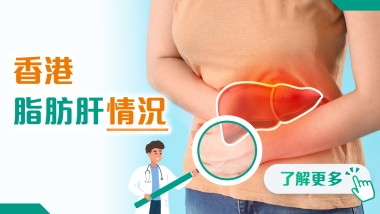 The Fatty Liver Situation in Hong Kong
 With the Westernization of dietary habits and shifts in urban lifestyles, Non-Alcoholic Fatty Liver Disease (NAFLD) has become one of the most prevalent chronic liver conditions in Hong Kong, posing a significant challenge to local public health. How many people in Hong Kong suffer from fatty liver? According to epidemiological survey data from The Chinese University of Hong Kong and relevant medical institutions, the prevalence of NAFLD among the adult population in Hong Kong is as high as 25% or above. This means that more than one-quarter of local adults have a liver fat content that exceeds 5% of their total liver weight. How do Hong Kong eating habits increase the risk of fatty liver? Hong Kong citizens generally work long hours and eat out frequently. Several risk factors contributing to fatty liver are deeply embedded in the local dining culture: High-Calorie and High-Fat Diets: Common Hong Kong-style single-dish meals (such as roasted meats with rice, curry dishes, etc.) usually contain heavy sauces and animal fats, easily causing daily calorie intakes to exceed recommended limits. Widespread Use of High-Fructose Corn Syrup: Hand-shaken beverages, packaged drinks, and refined desserts loved by Hong Kong residents are commonly sweetened with high-fructose corn syrup. Fructose is primarily metabolized by the liver, and excessive intake directly accelerates the synthesis of fatty acids in the liver. Does an urban lifestyle impact fatty liver? Beyond dietary factors, the lifestyle of Hong Kong citizens is closely tied to the incidence of fatty liver: Sedentary Lifestyle: Office workers generally sit for long periods and lack regular exercise of moderate-to-high intensity. This reduces the muscles' utilization of glucose, increasing the risk of insulin resistance. Sleep Disorders and Mental Stress: Prolonged exposure to high-stress environments and insufficient sleep can cause hormonal imbalances, such as elevated cortisol, which in turn promotes the accumulation of visceral fat. Is fatty liver trending younger? Clinical observations show that NAFLD is no longer exclusive to the middle-aged and elderly in Hong Kong. Driven by rising childhood obesity rates, excessive consumption of fast food and sugary drinks among adolescents, and a lack of outdoor activities, the onset age of fatty liver locally continues to drop. Diagnosed cases among teenagers in their tens are not uncommon in clinical settings. Can slim people get fatty liver too? Among the confirmed cases in Hong Kong, a certain percentage consists of "lean fatty liver" patients. Although their Body Mass Index (BMI) falls within the normal range, they can still experience liver fat accumulation and metabolic disorders due to genetic susceptibility or abnormal body fat distribution (such as excessive visceral fat and a high waist-to-hip ratio). The early symptoms of non-alcoholic fatty liver disease are well-concealed, and most patients are only diagnosed during routine physical examinations, blood liver function tests, or abdominal ultrasound scans. If ignored, this condition can not only evolve into irreversible liver fibrosis but also drastically elevate the risk of developing type 2 diabetes and cardiovascular diseases. Facing this highly prevalent urban metabolic crisis, high-risk groups (such as those with central obesity, hypertension, or blood sugar abnormalities) should stay vigilant and undergo regular medical screenings. Want to know your liver health status? Now is offering the FibroScan® . Click the link below to purchase directly from our online store, or contact us for more details. https://mall.humanhealth.com.hk/products/fibroscan_hhu85
2026.1.8