
Education Corner
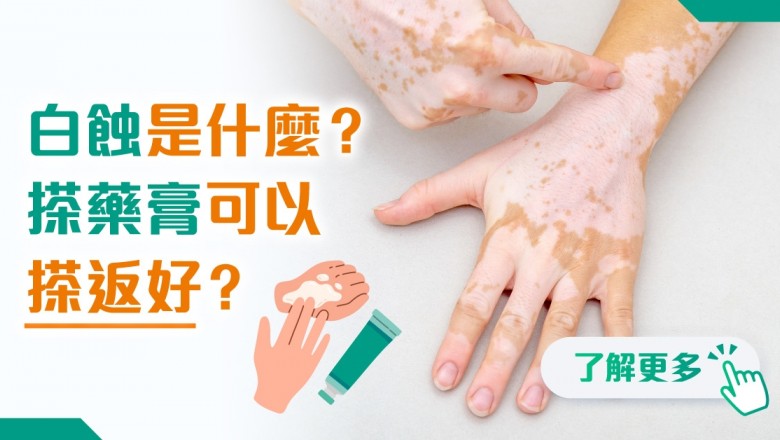
What is Vitiligo?
Vitiligo (also known as white spot disease) is a common skin condition where the immune system attacks melanocytes, causing white patches on the skin. Though non-contagious, it often affects patients' confidence due to visible changes. Can vitiligo be treated with creams? This article details its causes, treatments (like steroids, phototherapy, and JAK inhibitors), repigmentation timelines, and funding options.
What Causes Vitiligo?
Vitiligo mainly stems from autoimmune dysfunction, where immune cells mistakenly attack pigment-producing melanocytes. Trigger factors include genetics (20-30% family history), chronic stress, skin trauma like sunburn (Koebner phenomenon), comorbidities such as thyroid issues or type 1 diabetes, and onset before age 30.
What Are Treatments for Facial Vitiligo Patches?
For facial or neck patches, dermatologists tailor strategies by severity.
- Topical Steroid Treatment
These common first-line options regulate overactive immunity, aiding melanocyte regeneration and pigment return. Doctors start low-dose, applying cream 1-2 times daily to patches. Effective for some after months, but long-term use risks skin thinning, stretch marks, folliculitis, or telangiectasia—especially on the face, requiring close monitoring.
- Phototherapy
UVB sessions (2x weekly, minutes each) for 3-6+ months can halt spread and repigment stable patches. Ideal for stable vitiligo, but risks include burns, aging, and minor skin cancer long-term—needs doctor oversight and sunscreen.
- JAK Inhibitor Creams
These newer non-steroid topicals suit thin skin (face, neck, eyes). They target immune pathways safely with fewer side effects like atrophy. Repigmentation often appears in months; consult a dermatologist early for personalized plans.
Are JAK Inhibitors Safe? How Do They Differ from Steroids?
JAK inhibitor creams—the first FDA/EMA/HK-approved non-steroid vitiligo topicals—are increasingly prescribed in Hong Kong. They precisely protect melanocytes without steroid side effects (thinning, marks). Trials show >75% repigmentation in over half of facial cases after months, safe for ages 12+ even on sensitive areas.
How Long Does Vitiligo Recovery Take? Can It Be Fully Cured?
Full cure is rare, but most control spread and repigment with treatment. Early intervention in active phases yields best results. Courses last months to 2 years; faces repigment faster due to high follicle density.
Are Vitiligo Treatments Expensive? Are There Funding Options?
Expenses range HK$ hundreds to thousands monthly, varying by drugs/phototherapy. Patient groups offer JAK cream subsidies for eligible cases—ask dermatologists during follow-ups for qualifications and golden treatment windows.