
Education Corner
 Stomach pain can have many causes – how long does it need to last before it's a problem?
 Is there any benefit to regular gastroscopy and colonoscopy?Do you often experience indigestion or abdominal discomfort? Gastroscopy and colonoscopy can help investigate the underlying causes. These endoscopic procedures allow direct observation of the stomach and intestines to detect abnormalities or diseases such as abnormal cell growth, ulcers, or polyps. If any lesions are found during examination, the doctor may use forceps attached to the endoscope to collect tissue samples for analysis. Early screening helps lower the risk of developing gastrointestinal cancers, including stomach, esophageal, colorectal, and anal cancer. Many people think gastroscopy and colonoscopy only detect stomach and colorectal cancers, but in fact, they can identify a wide range of digestive conditions, such as the following: What can gastroscopy and colonoscopy examine? Gastroscopy examines the upper digestive tract, while colonoscopy examines the lower digestive tract. Gastroscopy — examines the esophagus, stomach, and duodenum A gastroscopy, or “upper gastrointestinal endoscopy,” allows doctors to examine the esophagus, stomach, and duodenum. It helps diagnose upper digestive tract diseases, such as stomach or esophageal cancer, gastritis, esophagitis, stomach ulcer, esophageal ulcer, duodenal ulcer, and stomach polyps. It is useful for evaluating symptoms such as difficulty swallowing, persistent abdominal pain, heartburn, acid reflux, or indigestion. If necessary, the doctor may take tissue samples to identify whether the condition is benign or malignant, and may remove polyps immediately during the examination. Colonoscopy — removes polyps and prevents colorectal cancer A colonoscopy examines various lower digestive tract conditions, including colorectal or anal cancer, inflammation, ulcers, vascular lesions, hemorrhoids, and suspected intestinal bleeding. It is recommended for patients with persistent abdominal pain, chronic diarrhea, constipation, or bloody stools to identify possible causes.Even people without symptoms can undergo colonoscopy. In Hong Kong, colorectal cancer is the most common cancer, with over 5,600 new cases recorded in 2018. Most cases begin with benign polyps that can become malignant over about 10 years. Removing these polyps through colonoscopy can reduce the risk of cancer development. How long does the procedure take? What preparation is required? Colonoscopy A colonoscopy uses a flexible scope inserted through the anus to examine the lining of the colon. The procedure usually takes 15 minutes to 1 hour. Sedatives and pain relief are often given so the patient remains relaxed or asleep. Three days before the procedure, patients should eat a low-residue diet and avoid high-fiber foods such as vegetables, fruit, and oatmeal. The day before, a bowel cleansing agent is taken to clear stool and ensure a clean view of the intestines for accurate examination. Gastroscopy A gastroscopy uses a thin, flexible tube about 0.9 cm in diameter with a camera at its tip, inserted through the mouth and esophagus to reach the stomach and duodenum. If required, the doctor may extract tissue samples through the tube for pathology testing. To ensure comfort, local anesthetic spray and intravenous sedation are provided. The procedure usually takes around 10 minutes. When is gastroscopy or colonoscopy needed? Gastroscopy indications Difficulty swallowing Persistent stomach pain, heartburn, acid reflux, or indigestion Black or tarry stool Unexplained weight loss Iron-deficiency anemia (fatigue, low hemoglobin) Family history of stomach or esophageal cancer Colonoscopy indications Colorectal cancer screening (recommended for people aged 45 or above, or with family history) Blood or mucus in stool Unexplained abdominal pain Unexplained weight loss or fatigue Changes in bowel habits (persistent constipation or diarrhea for more than 2 weeks) Positive fecal occult blood test Who should undergo these examinations? Gastroscopy Individuals with swallowing difficulties, recurrent upper abdominal pain, acid reflux, indigestion, upper gastrointestinal bleeding, loss of appetite, or weight loss may need a gastroscopy. People aged 40 and above are recommended to begin regular screenings, especially those with a family history of stomach cancer. Colonoscopy Besides those showing colorectal cancer symptoms, regular screening is advised from ages 45 to 50, as early colorectal cancer often has no obvious signs and is increasingly found in younger adults. If only a few polyps are found and test results are normal, repeat colonoscopy every 5 years is recommended. If multiple polyps (20–30) are present, the next screening should be done within a year.For people with a direct family history of colorectal cancer or additional risk factors, screening should start earlier—at age 40 or 10 years before the relative’s age at diagnosis.
2025.11.27 Knee pain that lasts all day may be related to cartilage erosion?
 Have you ever experienced lower back and waist pain, whether you are a white-collar worker or a laborer? In fact, people from all walks of life can suffer from back pain. Maintaining correct posture and performing stretching exercises daily can help relieve and prevent discomfort. However, if you experience symptoms like sciatica or leg numbness, it is important to seek medical diagnosis to identify the cause. Doctors often recommend physical therapy for patients as needed. Why does back pain occur?Back pain is a common urban ailment, affecting not only office workers but also elderly individuals and homemakers who may feel stiffness and discomfort in the waist. Causes include falls, heavy lifting, overwork, poor posture, aging bone spurs, and degeneration, all of which can affect the spine and lead to pain. Additionally, kidney diseases or osteoporosis can also cause back pain. Can back pain affect the legs?The spine’s structure is complex, including the tailbone (coccyx), sacrum, five lumbar vertebrae, and two pelvic bones, connected by ligaments and muscles. Intervertebral discs, blood vessels, and spinal nerves lie between vertebrae. Nerves branching out around the lumbar vertebrae control different muscles and sensations in the legs. Therefore, leg pain or numbness can originate from back problems. What are the symptoms of back pain? Muscle soreness and stiffness in the waist and legs, decreased range of motion Sharp pain during coughing or sneezing Sciatic nerve pain or femoral nerve pain Compression of lumbar nerves leading to diminished leg reflexes, muscle weakness, sensory loss, or numbness How to treat and care for back pain?To relieve chronic back pain, use heat packs and pain-relieving creams; for acute pain, apply ice packs to reduce inflammation. If symptoms, such as leg numbness, do not improve, seek medical advice promptly. Doctors may order clinical exams, X-rays, or MRI scans to diagnose the cause and prescribe painkillers, anti-inflammatory drugs, diuretics, or topical pain relief. Physical therapy is often recommended to promote recovery and prevent recurrence. Physical therapy options include: Heat therapy to relax muscles; Interferential current therapy to block pain signals and improve circulation; Lumbar traction to reduce nerve compression; Ultrasound therapy to increase blood flow and relax ligaments and muscles. Acute treatment usually requires 6-8 sessions; chronic may need 10-12. Joint mobilization and realignment by hands-on techniques to relieve stiffness and improve motion. Exercise therapy such as prone back extensions supported by hands and supine knee side-to-side movements to ease pain and improve joint function. Acupuncture Posture education How to prevent back pain? Use a lumbar support belt if needed Maintain good posture: stand straight with relaxed shoulders; sit with feet flat, back straight, and avoid crossed legs; ensure chair and desk heights are appropriate; use a supportive mattress and sleeping position Lift heavy objects using legs, keeping the back straight; use trolleys if needed Maintain healthy weight Pregnant women should maintain correct posture Do appropriate exercises such as lying on the floor and alternately hugging knees to stretch and relax lower back muscles Hong Kong Registered PhysiotherapistThe information on this website is for educational use only.You should consult your doctor about surgical options and not rely solely on this website’s information.
2025.11.27 What is Benign Prostatic Hyperplasia?
 Benign Prostatic Hyperplasia (BPH), also known as prostate enlargement, is a common health issue in middle-aged and older men. It is not cancer but occurs when the prostate, a small gland, grows larger with age, pressing on the urethra and causing urination difficulties. Simply put, it’s like the prostate “growing bigger.” According to the Hong Kong Centre for Health Protection, about half of men over 50 in Hong Kong experience some degree of BPH. What is the Prostate and Why Does It Enlarge? Think of the urinary system as a pipeline, with the prostate as a walnut-sized gland surrounding the urethra (the tube that carries urine from the bladder). It produces part of the seminal fluid to support sperm movement. As men age, hormonal changes (like testosterone effects) cause prostate cells to multiply, enlarging the gland. This can squeeze the urethra, causing issues. In severe cases, the prostate may swell to the size of a mango. Medically, this often starts at ages 40–50, driven by age, hormonal imbalances, and genetics. Common Symptoms of BPH BPH develops gradually and may not be noticeable early on. When the prostate presses on the urethra, symptoms include: Frequent urination: Especially at night (nocturia), needing to visit the bathroom often. Urgency: Sudden, uncontrollable urges to urinate. Weak urine stream: Slow, intermittent flow, like squeezing toothpaste. Incomplete emptying: Feeling the bladder isn’t fully emptied after urinating. Other: Occasional pain or blood in urine, though rare. Severe cases may lead to urinary tract infections or kidney issues. These symptoms can affect sleep and quality of life, but severity varies. Some men experience only mild discomfort. Who is More Likely to Develop BPH? Age is the main factor (risk increases over 50), but other risks include: Family history: If your father or brother had BPH, you’re more likely to develop it. Lifestyle: Obesity, lack of exercise, or poor diet can worsen it. Health conditions: Diabetes or heart disease may indirectly contribute. The good news? BPH isn’t cancer and won’t become cancer. However, ignoring it could lead to complications like bladder stones or urinary retention. How is It Diagnosed? If you have symptoms, a doctor will review your medical history and perform a physical exam, including a digital rectal exam (DRE) to check prostate size. Other tests may include urine flow studies, ultrasound, or PSA blood tests (to rule out cancer). Treatment depends on symptom severity. How to Prevent or Manage It? While BPH can’t be fully prevented, lifestyle changes help: Maintain a healthy weight, eat more vegetables, and limit red meat. Exercise regularly, like walking or swimming, to support urinary health. Avoid holding urine and drink less water at night. Get regular check-ups for early detection. Conclusion BPH is a natural part of aging for men, much like graying hair. Noticing symptoms early and seeking professional advice can manage it effectively. If you have urination issues, don’t be shy—see a doctor. It can improve your life and prevent complications.
2025.10.24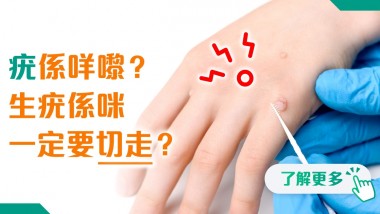 What Are Warts and Do They Need to Be Removed?
 What Are Warts and Do They Need to Be Removed? Warts are common skin growths that look like small, hard bumps or fleshy grains, appearing on hands, feet, face, or elsewhere. They’re caused by the human papillomavirus (HPV), are not dangerous, but can sometimes feel embarrassing or uncomfortable. Many ask, “Do warts have to be removed?” The answer: Not always! What Are Warts? Warts are small growths on the skin caused by HPV infection. The virus enters through tiny skin cuts, triggering excess cell growth to form a wart. Think of it as an uninvited guest on your skin—harmless but possibly bothersome. According to Hong Kong’s Department of Health, warts are common across all ages, especially in children and young adults due to frequent skin contact (like sharing towels or walking barefoot). Types of Warts Warts vary in appearance and location: Common Warts: Rough, hard bumps, often on hands or fingers. Plantar Warts: Grow on the soles of feet, can be painful when walking, like stepping on a pebble. Flat Warts: Smooth, small warts, common on the face or legs, especially in young people. Genital Warts: Appear near genitals, a special type requiring extra attention. Each type may need different handling based on location and symptoms. Why Do Warts Form? HPV is the culprit! It spreads through: Direct contact, like shaking hands with someone who has warts. Sharing towels, shoes, or walking barefoot in public pools. Small skin cuts, making it easier for the virus to enter. People with lower immunity (e.g., stressed or ill) are more prone to warts. Fortunately, warts rarely cause serious health issues. Do Warts Need to Be Removed? Good news: Many warts disappear on their own! Especially in kids or young adults, the immune system may clear them in months to a couple of years. But you might consider treatment if a wart: Affects your appearance, causing embarrassment. Causes pain (like plantar warts). Spreads or multiplies quickly. Grows in sensitive areas (like the face or genitals). Always consult a doctor for the best approach. How to Decide and What Are the Treatment Options? Warts don’t always need removal—it depends. Common options include: Watchful Waiting: If painless, many warts fade naturally. Over-the-Counter Treatments: Salicylic acid creams from pharmacies soften warts for removal, but require weeks of use. Cryotherapy: Doctors freeze warts with liquid nitrogen, a simple, common method. Laser or Surgery: For stubborn or large warts, doctors may use lasers or minor surgery. Other Methods: Electrosurgery or chemical treatments for specific cases. Important: Don’t cut or tear warts yourself—it risks infection or spreading! Genital warts need professional care due to their link to sexual transmission. How to Prevent Warts? While not fully preventable, these tips help: Keep skin clean and dry to avoid cuts. Don’t share towels, shoes, or personal items. Wear flip-flops in public pools or gyms. Boost immunity with a balanced diet, exercise, and good sleep. When to See a Doctor? Consult a doctor if a wart: Grows quickly, changes color, or bleeds. Causes pain or disrupts daily life. Appears on sensitive areas like the face or genitals. Might not be a wart (to rule out other issues, like skin cancer). In Hong Kong, dermatologists or general practitioners can offer professional checks for safety. If unsure, don’t try to handle warts yourself—seeing a doctor is the best choice! This information is for reference only; always follow medical advice.
2025.10.24 Can you tell the difference between a cold and the flu?
 Both the common cold and influenza (often called the flu) are respiratory infectious diseases, but they are caused by different viruses. In general, flu symptoms appear more suddenly and are more severe than those of the common cold. The flu can also lead to more serious complications. People with a common cold typically have symptoms like a runny nose, while those with influenza are more likely to develop severe complications such as pneumonia or bacterial infections, which may even require hospitalization. Therefore, getting the flu vaccine is an important measure to prevent influenza and its complications.
2025.10.24 Cancer has early warning signs, so is the golden period for medical consultation only three months?
 Everyone associates "cancer" with death and incurable diseases. Is it true that cancer has no prevention methods and no early warning signs? 1. Is cancer common in Hong Kong? And what causes it?The death rate from cancer in Hong Kong is quite high, accounting for about 30% of all deaths in the city. Common cancers such as colorectal cancer, breast cancer, and lung cancer are among the most frequent.In fact, most cancers may show some early warning signs or symptoms in their initial stages, and early detection can greatly improve the chances of cure.Cancer is caused by abnormal uncontrolled proliferation of mutated cells in the body, forming tumors. Tumors are classified as benign or malignant, with malignant tumors referred to as cancer. 2. What are the early warning signs or symptoms of cancer? Weight loss Night sweats or fever Persistent fatigue Unexplained pain Skin changes: unexplained bruises or lumps Difficulty swallowing or persistent mouth ulcers Changes in bowel habits: indigestion, nausea, persistent constipation or diarrhea 3. How long is the golden period for cancer treatment?These symptoms are often subtle and easily overlooked. It is therefore recommended everyone remain vigilant of their body’s condition and seek medical help promptly if feeling unwell.While the progression time varies depending on cancer type with no fixed definition of "how many months," earlier cancer detection generally improves cure rates.For example, according to the Hong Kong Cancer Foundation, the survival rate for colorectal cancer detected at stage one can be as high as 95.7%, but it drops to 68.7% by stage three. Early diagnosis usually means higher survival than late diagnosis. Thus, besides maintaining a healthy lifestyle, regular health check-ups are advised.
2025.10.20