
Education Corner
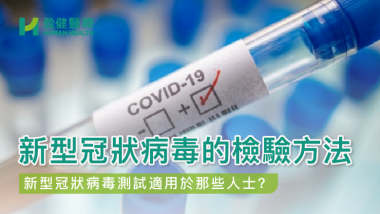 Testing for COVID-19
 COVID-19 Testing: Why It Matters and How It Works? COVID-19 has become a global pandemic. Many confirmed cases have unknown sources, and research shows that patients may carry high viral loads even during the early stages of infection and remain asymptomatic for a long incubation period. This makes the virus easier to spread. At present, there is no specific medication for COVID-19, and vaccines are still under development. The most effective way to control the outbreak is to identify and isolate asymptomatic (hidden) carriers as early as possible. Therefore, choosing a reliable testing method is essential. Who Should Receive a COVID-19 Test? A. Asymptomatic individuals who fear or suspect infectionB. High-risk groups such as the elderly or those with chronic illnessesC. People with symptoms including fever and upper respiratory tract infectionD. Individuals currently under home quarantine What Are the Current COVID-19 Testing Methods? There are two primary types of tests available. Members of the public can choose based on their situation and needs. I. Viral Genetic Testing (RT-PCR) Sample Type: Deep throat saliva or throat swabPrinciple:This test uses real-time reverse transcription polymerase chain reaction (RT-PCR) to detect viral RNA in the patient’s sample.The method is highly sensitive—able to detect even trace amounts of viral RNA—and is considered the clinical standard for diagnosis. Processing Time: Around 6 hoursTechnology: Must be conducted by trained technicians in a laboratoryAccuracy: Very high (though it depends on proper sampling technique)Cost: Relatively highUsage:Due to its precision and sensitivity, RT-PCR is the gold standard for clinical diagnosis.It is available at all Virtus Medical Centres, the Department of Health, and private hospitals across Hong Kong. II. Antibody Testing – Rapid Blood Test Sample Type: BloodPrinciple:Detects antibodies (IgM and IgG) in the blood.Using just one drop of blood, a positive result typically appears as two lines on the test strip. Processing Time: About 15 minutesTechnology: Simple and can be performed at the testing siteAccuracy: High, but not suitable for early-phase diagnosisLimitations:Since antibodies take about seven days after infection to appear, false negatives may occur in early infections, leading to misdiagnosis. Cost: LowUsage:Due to its speed and affordability, this test is widely used for large-scale screening.Some clinics offer the rapid antibody test, and at-home versions are also sold online claiming high accuracy.However, since such online products are not regulated, their hygiene standards and accuracy are uncertain.It is advisable to consult a doctor before using home test kits, which should only be used as supplementary reference tools. Source: Weifang Kong and Prachi P. Agarwal Some patients show “ground-glass opacity” patterns in lung X-rays.Both chest X-rays and low-dose CT scans can effectively improve diagnostic accuracy, increase efficiency, and help rule out related complications. Reference:Detection of 2019 novel coronavirus (2019-nCoV) in suspected human cases by RT-PCRhttps://www.who.int/docs/default-source/coronaviruse/peiris-protocol-16-1-20.pdf?sfvrsn=af1aac73_4 Radiological findings from 81 patients with COVID-19 pneumonia in Wuhan, China: A descriptive study(Heshui Shi, Xiaoyu Han, Nanchuan Jiang, Yukun Cao, Osamah Alwalid, Jin Gu, Yanqing Fan, Chuansheng Zheng) The information provided on this page is for general reference only and does not replace medical advice from your doctor. For any questions or personal health concerns, please consult your physician.No responsibility will be taken for any omissions or inaccuracies in the above content.
2020.3.27 5 Tips for coronavirus prevention
 COVID-19 Testing: Why It Matters and How It Works? COVID-19 has become a global pandemic. Many confirmed cases have unknown sources, and research shows that patients may carry high viral loads even during the early stages of infection and remain asymptomatic for a long incubation period. This makes the virus easier to spread. At present, there is no specific medication for COVID-19, and vaccines are still under development. The most effective way to control the outbreak is to identify and isolate asymptomatic (hidden) carriers as early as possible. Therefore, choosing a reliable testing method is essential. Who Should Receive a COVID-19 Test? A. Asymptomatic individuals who fear or suspect infectionB. High-risk groups such as the elderly or those with chronic illnessesC. People with symptoms including fever and upper respiratory tract infectionD. Individuals currently under home quarantine What Are the Current COVID-19 Testing Methods? There are two primary types of tests available. Members of the public can choose based on their situation and needs. I. Viral Genetic Testing (RT-PCR) Sample Type: Deep throat saliva or throat swabPrinciple:This test uses real-time reverse transcription polymerase chain reaction (RT-PCR) to detect viral RNA in the patient’s sample.The method is highly sensitive—able to detect even trace amounts of viral RNA—and is considered the clinical standard for diagnosis. Processing Time: Around 6 hoursTechnology: Must be conducted by trained technicians in a laboratoryAccuracy: Very high (though it depends on proper sampling technique)Cost: Relatively highUsage:Due to its precision and sensitivity, RT-PCR is the gold standard for clinical diagnosis.It is available at all Virtus Medical Centres, the Department of Health, and private hospitals across Hong Kong. II. Antibody Testing – Rapid Blood Test Sample Type: BloodPrinciple:Detects antibodies (IgM and IgG) in the blood.Using just one drop of blood, a positive result typically appears as two lines on the test strip. Processing Time: About 15 minutesTechnology: Simple and can be performed at the testing siteAccuracy: High, but not suitable for early-phase diagnosisLimitations:Since antibodies take about seven days after infection to appear, false negatives may occur in early infections, leading to misdiagnosis. Cost: LowUsage:Due to its speed and affordability, this test is widely used for large-scale screening.Some clinics offer the rapid antibody test, and at-home versions are also sold online claiming high accuracy.However, since such online products are not regulated, their hygiene standards and accuracy are uncertain.It is advisable to consult a doctor before using home test kits, which should only be used as supplementary reference tools. Source: Weifang Kong and Prachi P. Agarwal Some patients show “ground-glass opacity” patterns in lung X-rays.Both chest X-rays and low-dose CT scans can effectively improve diagnostic accuracy, increase efficiency, and help rule out related complications. Reference:Detection of 2019 novel coronavirus (2019-nCoV) in suspected human cases by RT-PCRhttps://www.who.int/docs/default-source/coronaviruse/peiris-protocol-16-1-20.pdf?sfvrsn=af1aac73_4 Radiological findings from 81 patients with COVID-19 pneumonia in Wuhan, China: A descriptive study(Heshui Shi, Xiaoyu Han, Nanchuan Jiang, Yukun Cao, Osamah Alwalid, Jin Gu, Yanqing Fan, Chuansheng Zheng) The information provided on this page is for general reference only and does not replace medical advice from your doctor. For any questions or personal health concerns, please consult your physician.No responsibility will be taken for any omissions or inaccuracies in the above content.
2020.3.13 Novel Coronavirus Infection
 What Is the Pathogen? “Severe Respiratory Disease associated with a Novel Infectious Agent” refers to a cluster of viral pneumonia cases that first appeared in Wuhan, Hubei Province.According to health authorities in Mainland China, the pathogen responsible is a new type of coronavirus. What Are the Symptoms? Reported symptoms include fever, fatigue, dry cough, and breathing difficulties.Some patients may experience severe illness.Older adults or individuals with chronic medical conditions are at higher risk of developing serious complications. How Does It Spread? What Is the Incubation Period? The primary mode of transmission is through respiratory droplets, though contact transmission can also occur.Current information suggests the incubation period ranges from 1 to 12.5 days, with a median of 5–6 days, and may last up to 14 days in some cases. How Can It Be Treated? There is currently no specific antiviral treatment.Care is mainly supportive, focusing on symptom relief and maintaining organ function. How Can It Be Prevented? There is no vaccine for this novel coronavirus at the moment.To prevent pneumonia and respiratory infections, the public should maintain good personal and environmental hygiene through the following measures: Wear a surgical mask when taking public transportation or visiting crowded places.Always keep your hands clean before putting on or removing a mask. Wash hands frequently, especially before touching your mouth, nose, or eyes; before eating; after using the toilet; after touching public installations such as handrails or door handles; or after contact with respiratory secretions (for example, after sneezing or coughing). Maintain drainage and sewer hygiene by pouring about half a liter of water into each floor drain (U-trap) once a week to keep it filled and prevent the spread of germs. Close the toilet lid before flushing to avoid the dispersal of germs. Wash hands properly using liquid soap and water for at least 20 seconds, rinse thoroughly, and dry with a paper towel.If washing facilities are not available and hands are not visibly soiled, use a 70–80% alcohol-based hand sanitizer instead. Cover your mouth and nose with tissue when sneezing or coughing. Dispose of the used tissue in a covered rubbish bin at once, then wash hands thoroughly. If respiratory symptoms appear, wear a surgical mask, avoid work or school, stay away from crowded places, and seek medical advice promptly. Preventive Measures When Travelling Abroad Avoid travelling to Hubei Province or other areas with community transmission of the novel coronavirus. In affected countries or regions, avoid close contact with people who have fever or respiratory symptoms.If contact is unavoidable, wear a surgical mask and continue wearing it for 14 days after returning to Hong Kong. Avoid visiting hospitals unless necessary. If you must go, wear a surgical mask and practice strict hand hygiene. Avoid contact with animals, including wild game, birds, or animal droppings. Avoid wet markets, live poultry markets, or farms. Stay away from people with acute respiratory symptoms. Do not eat wild animals or patronize restaurants that serve them. Ensure food safety and hygiene by avoiding raw or undercooked animal products (such as milk, eggs, or meat), or any food possibly contaminated by animal secretions, excretions (e.g., urine), or products—unless it has been properly cooked, washed, or peeled. If you feel unwell while abroad, especially with fever or cough, wear a surgical mask, notify hotel staff or your tour guide, and seek medical care immediately. After returning to Hong Kong, if you develop fever or any symptoms, see a doctor promptly and inform them about your recent travel history and possible animal contact. Wear a mask to avoid transmitting illness to others. Source: Centre for Health Protection
2020.2.11 Know more about HPV Vaccine
 more detail for HPV Vaccination What Is the Relationship Between Cervical Cancer and HPV? According to the Hospital Authority’s 2016 data, there are 510 new cases of cervical cancer and 151 deaths each year in Hong Kong.Human papillomavirus (HPV) is one of the major causes of cervical cancer. Women aged 26–30 and 46–55 are at the highest risk of infection. Both men and women can become infected with HPV and develop related diseases.Once infected, HPV can cause the following conditions: Men Women Anal cancer Anal cancer Genital warts (condyloma acuminatum) Genital warts (condyloma acuminatum) May transmit HPV to partner, increasing their risk of cancer or warts Vulvar cancer, vaginal cancer, and cervical cancer How Can Cervical Cancer Be Prevented? Quit smoking and avoid secondhand smoke. Use condoms to reduce the risk of HPV transmission. Undergo regular cervical screening (Pap smear). Get vaccinated with the HPV vaccine (also known as the cervical cancer vaccine). About the Cervical Cancer (HPV) Vaccine The human papillomavirus (HPV) vaccine—also known as the cervical cancer vaccine—is a preventive vaccine that protects against cervical cancer and other HPV-related diseases.Both men and women can receive the vaccine. In Hong Kong, two types of prescription HPV vaccines are commonly available: Quadrivalent HPV vaccine (4-in-1) 9-valent HPV vaccine (9-in-1) Both require prescription and administration under medical supervision.The 9-valent vaccine protects against 9 HPV types responsible for about 80–90% of HPV-related cancers and diseases, making it a more comprehensive choice.It also helps prevent genital warts and can be given to both women and men. Type HPV Types Covered Recommended Age Dosage Schedule Quadrivalent (4‑in‑1) 6, 11, 16, 18 From age 9 (male & female) 9–13 years: 2 doses / 14+ years: 3 doses 9-valent (9‑in‑1) 6, 11, 16, 18, 31, 33, 45, 52, 58 From age 9 (male & female) Before Oct 31, 2016: 9+ years – 3 doses / After Oct 31, 2016: 9–14 years – 2 doses, 15+ years – 3 doses Frequently Asked Questions 1) How many doses are required for the cervical cancer (HPV) vaccine?According to manufacturer guidelines, three doses are administered over six months: at 0, 2, and 6 months (i.e., two and four months apart). 2) Which pharmaceutical company produces the vaccine? Are there new and old versions?The vaccine used is Gardasil 9, produced by Merck & Co. (MSD), USA.There is only one version—the so‑called “new” and “old” batches refer only to packaging differences.All vaccines are legally sourced, original manufacturer products, properly stored and transported, and within valid expiry dates. 3) What’s the difference between two and three doses?According to Hong Kong’s Department of Health, adolescents aged 9–14 only need two doses, while those aged 15 and above should receive three doses to achieve the same level of immunity. 4) Who should get the HPV vaccine?The vaccine is most effective for individuals who have not been infected with HPV.However, women who are sexually active or have given birth are also encouraged to receive it.Because the vaccine protects against at least four HPV types, and most women are not infected with all of them simultaneously, vaccination remains beneficial. 5) Can I get vaccinated during pregnancy?Important notes: You can become pregnant immediately after completing the three-dose vaccination course. Vaccination during pregnancy is not recommended. It is safe to receive the vaccine after childbirth or while breastfeeding. 6) Are there side effects?The HPV vaccine is generally safe.Common mild side effects include redness, swelling, or pain at the injection site, mild fever, headache, or nausea.Individuals who have had severe allergic reactions to any vaccine ingredient should not receive it.If in doubt, consult your doctor.Hong Kong’s Department of Health operates a pharmacovigilance system to monitor vaccine safety. 7) Do I still need cervical cancer screening after vaccination?Yes.Even after vaccination, women should continue regular Pap smear screening, as the vaccine cannot treat preexisting HPV infections or protect against HPV types not covered by the vaccine.
2020.1.1 Joint pain is no longer just an “elderly problem”!
 Many people associate joint pain with ageing and assume it only affects the elderly.That belief is only partially true. Isn’t Joint Pain Only for Older Adults? Older adults often suffer from degenerative arthritis (osteoarthritis), while middle‑aged people are more likely to experience rheumatoid arthritis. About 60% of people aged 60 and above are affected by osteoarthritis, which is caused by joint degeneration due to ageing. In contrast, rheumatoid arthritis tends to affect middle‑aged adults and is related to immune system disorders.The immune cells become overactive and repeatedly attack the body’s own tissues, leading to inflammation in the joints and muscles. Young, physically active individuals may also suffer joint pain due to improper exercise posture or habits. Office workers who sit for long hours or frequently cross their legs often experience pain in the lower back and knees. Should People with Joint Pain Avoid Exercise? No. Exercise is beneficial for health, but those with joint pain should take extra care.Here are some important tips: If you have existing joint problems, consult a doctor first to determine which types of exercise are appropriate. Incorrect posture can worsen symptoms. Always warm up properly and stretch your body before starting exercise to prevent post‑workout joint pain. Avoid poor posture—for instance, leaning too far forward while running shifts the body’s centre of gravity and increases stress on the knees and spine. Do not suddenly engage in intense or high‑impact exercise, which increases joint load and may strain or injure muscles around the joints. Can Joint Pain Be Completely Cured? Appropriate exercise and healthy eating can help relieve joint pain, but complete recovery is unlikely without long‑term effort and proper activity.Most treatments focus on pain management and symptom relief, such as: Performing light, doctor‑recommended exercises targeting specific joints—such as swimming, walking, cycling, or tai chi. Reducing body weight, as excess weight adds pressure to joints, especially the knees and spine. Taking supplements under medical advice, such as glucosamine to strengthen cartilage, and bioactive collagen peptides to help reduce inflammation and ease joint discomfort.
2019.11.5 The Hidden Fat More Dangerous than What You See
 Many people plan to “burn fat” when they see visible fat on their bodies.However, what’s far more dangerous is the invisible fat—visceral fat, which often goes unnoticed but can lead to serious health consequences. What’s the Difference Between Visceral Fat and Normal Fat? Most people think of body fat as the visible fat found on areas like the arms, abdomen, and thighs.But visceral adipose tissue (VAT) refers to fat stored around internal organs in the abdomen, such as the liver and intestines. This “active fat” releases various hormones and inflammatory chemicals that affect metabolism and increase insulin resistance, which in turn raises the risk of cardiovascular diseases and metabolic disorders. How Can I Know If My Visceral Fat Is Too High? Check whether you have central obesity (abdominal fat accumulation) — people with more fat around the waist tend to have higher visceral fat levels.To accurately measure visceral fat, MRI or CT scans are used, though these are primarily for medical research due to cost, time, and radiation exposure. Central obesity can be estimated by your waist-to-hip ratio (WHR): Men: WHR > 0.9 → Central obesity Women: WHR > 0.85 → Central obesity Is Visceral Fat Only a Problem for Overweight People? No. There are slim-looking individuals with high visceral fat—especially common among Asians.They may appear lean but actually have little muscle mass and high internal fat due to poor eating habits and lack of strength training.Because visceral fat accumulates around internal organs rather than under the skin, it often goes unnoticed, posing hidden health risks. Are there any Doctor’s Health Tips? Ignoring high visceral fat for too long can lead to severe illnesses such as: Type 2 diabetes Heart disease Hypertension High cholesterol or triglycerides Cognitive decline Stroke Breast cancer Colorectal cancer To reduce visceral fat and maintain health: Exercise 2 to 3 times a week, engaging in aerobic activities for at least 30 minutes—such as running, cycling, or swimming. Maintain a balanced, low-fat, low-sugar diet. Choose healthy cooking methods like steaming or boiling, and avoid deep-frying, pan-frying, or stir-frying.
2019.11.5