
Education Corner
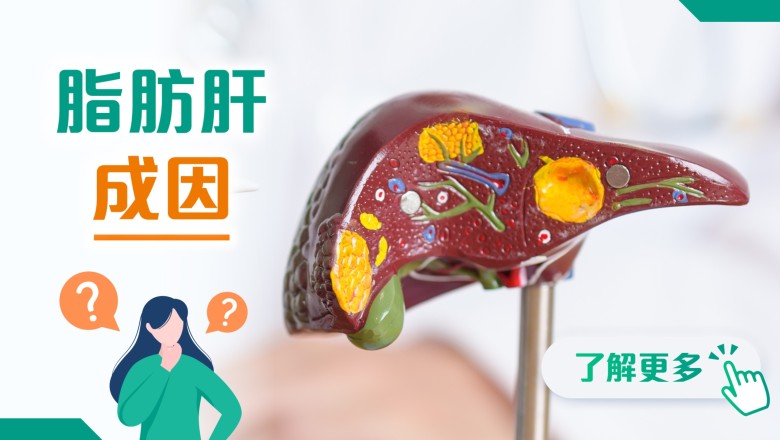
What is fatty liver? Why does it occur?
Fatty liver refers to the abnormal accumulation of fat within liver cells. When our calorie intake consistently exceeds what the body needs, the liver cannot process the excess in time. As a result, this surplus energy is converted into fat and stored in the liver.
Do only obese individuals or people who drink alcohol get fatty liver?
No. Even individuals who do not drink alcohol or those who do not appear obese (such as those with a "toffee apple" or "skinny-fat" body shape—slender limbs but with a belly) still have a chance of developing non-alcoholic fatty liver disease (NAFLD).
How does a high-sugar, high-fat diet lead to fatty liver?
-
High-Fructose Corn Syrup: Commonly found in hand-shaken beverages, sodas, and packaged sauces. Unlike other sugars, fructose can only be metabolized by the liver. Consuming it in excess directly converts it into liver fat.
-
Refined Carbohydrates: White rice, bread, cakes, and other high-glycemic index foods cause a rapid spike in blood sugar. This triggers a massive secretion of insulin, which converts the excess energy into stored fat.
What is insulin resistance? What is its connection to fatty liver?
Insulin is responsible for ushering glucose from the bloodstream into cells to be converted into energy. When the body develops insulin resistance, cells lose their sensitivity to insulin, preventing glucose from entering smoothly. Mistaking this for an energy shortage, the body releases more free fatty acids into the bloodstream, which ultimately flow into and accumulate in the liver. This is why individuals with type 2 diabetes or prediabetes face a significantly higher risk of developing fatty liver.
Why is abdominal obesity particularly dangerous?
Although slim individuals (the "skinny-fat" profile with slender limbs but a prominent belly) can still develop fatty liver, central obesity (excess visceral fat) remains the primary risk factor clinically. Visceral fat is highly active; it continuously releases inflammatory factors and fatty acids that flow directly into the liver via the portal vein, worsening fat deposition in the liver.
Does a lack of exercise affect the liver?
When we sit for prolonged periods and lack moderate-to-high-intensity exercise, our muscles' ability to consume glucose declines. A slowed metabolism means the body burns fat less efficiently. With nowhere else to go, the excess calories naturally pile up in the liver.
Fatty liver typically shows zero symptoms in its early stages and is often only discovered during an ultrasound scan or blood test. If left unchecked over time, the liver may develop inflammation and fibrosis, potentially increasing the risk of liver cirrhosis.
Want to know your liver health status? Now is offering the FibroScan® . Click the link below to purchase directly from our online store, or contact us for more details. https://mall.humanhealth.com.hk/products/fibroscan_hhu85