
Education Corner
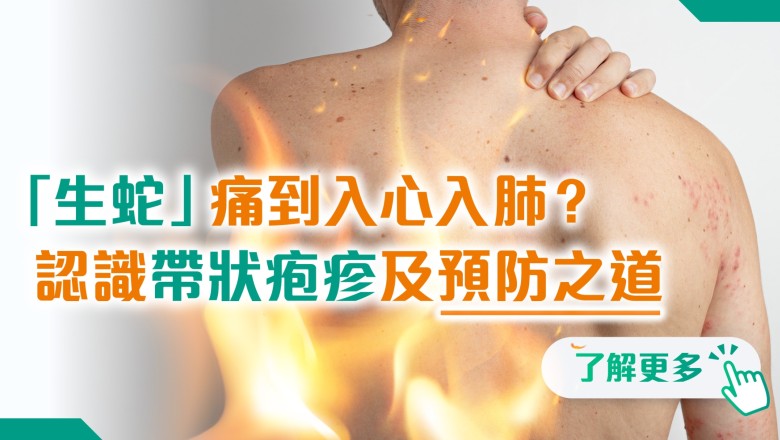
Recently,a famous dentist and singer publicly shared his experience of developing "shingles," once again drawing public attention to this condition. After suffering an Achilles tendon rupture and a hand injury, he underwent surgery. During his recovery, due to insufficient rest, he suddenly felt a needle-like pain on the side of his waist one night. The next day, a large patch of red rash quickly appeared, which later developed into a persistent, "electric shock-like" nerve pain. In fact, such experiences are far from uncommon—shingles is quite prevalent, and the pain it brings often exceeds what most people imagine.
Below, Human Health has compiled important information about "shingles" to help you understand and prevent it early.
What Is "Shingles"?
The medical name for "shingles" is Herpes Zoster, caused by the Varicella-Zoster Virus—the very same virus responsible for chickenpox.
After a person contracts chickenpox and recovers, the virus does not completely leave the body. Instead, it lies dormant within the nerve ganglia. Later on, when the body's immunity weakens, the virus may become active again, spreading along the nerves to the skin and forming a band-like distribution of red rashes and blisters—this is "shingles."
In other words, anyone who has had chickenpox carries this virus in their body and may develop shingles at some point in their life. Statistically, about one in every three people will experience shingles at some stage of their life.
Why Does It "Reactivate"? Who Is at Higher Risk?
The fundamental cause of shingles lies in a decline in immunity. This case is a classic example: surgery, trauma, exhaustion, and lack of sleep can all weaken the body's defences, giving the dormant virus an opportunity to strike.
Generally speaking, the following individuals are at relatively higher risk: people aged 50 and above, as immunity naturally declines with age; those who have recently undergone surgery or are recovering from a serious illness. People under prolonged stress or lacking sleep and those with weaker immune systems or undergoing immunosuppressive treatment. It is worth noting that shingles is not exclusive to the elderly. Younger people can also be affected, as this case demonstrates.
What Symptoms Should You Watch Out For?
The symptoms of shingles typically appear in stages. In the early phase, the affected area may first experience a stinging, burning, or itching sensation, which some people mistake for a muscle strain or a common skin problem. Over the following days, a band-like rash appears on one side of the body, gradually forming blisters, commonly on the waist, chest and back, face, or around the eyes. This may be accompanied by mild fever, headache, and fatigue.
What troubles patients most is often not the rash itself, but "postherpetic neuralgia." Even after the skin rash has healed, that electric shock-like, burning nerve pain may persist for weeks or months. And in some severe cases, even for years, profoundly affecting daily life, sleep, and emotional well-being.
Furthermore, if shingles occur near the eyes or ears, it may affect vision or hearing, and should not be taken lightly.
Can Shingles Be Prevented?
The answer is yes. In addition to maintaining healthy lifestyle habits, getting adequate sleep, eating a balanced diet, exercising moderately, and learning to manage stress in order to keep your immunity strong, the most direct and effective method of prevention is to receive the shingles vaccine.
The vaccine can effectively reduce the risk of developing shingles, as well as lower the likelihood and severity of postherpetic neuralgia later on. For those aged 50 and above, or for individuals with weaker immune systems, early vaccination is especially worth considering.
Human Health Shingles Vaccination Service
Rather than waiting until the pain arrives to feel regret, it is better to build a line of defence for your health early on. Human Health offers a shingles (Herpes Zoster) vaccination service, administered by a professional medical team, with multiple branches across various districts for convenient, nearby vaccination. Before vaccination, our medical staff can also provide a consultation to assess your suitability, allowing you to make an informed and confident decision.
To learn more or to book a vaccination, please feel free to contact us.