
Education Corner
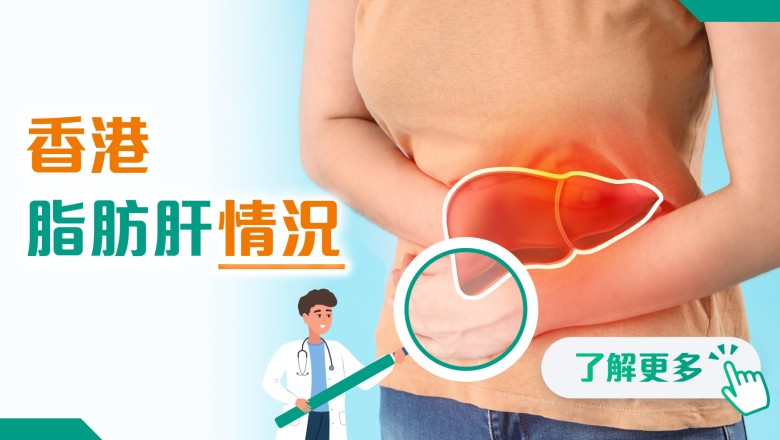
With the Westernization of dietary habits and shifts in urban lifestyles, Non-Alcoholic Fatty Liver Disease (NAFLD) has become one of the most prevalent chronic liver conditions in Hong Kong, posing a significant challenge to local public health.
How many people in Hong Kong suffer from fatty liver?
According to epidemiological survey data from The Chinese University of Hong Kong and relevant medical institutions, the prevalence of NAFLD among the adult population in Hong Kong is as high as 25% or above. This means that more than one-quarter of local adults have a liver fat content that exceeds 5% of their total liver weight.
How do Hong Kong eating habits increase the risk of fatty liver?
Hong Kong citizens generally work long hours and eat out frequently. Several risk factors contributing to fatty liver are deeply embedded in the local dining culture:
-
High-Calorie and High-Fat Diets: Common Hong Kong-style single-dish meals (such as roasted meats with rice, curry dishes, etc.) usually contain heavy sauces and animal fats, easily causing daily calorie intakes to exceed recommended limits.
-
Widespread Use of High-Fructose Corn Syrup: Hand-shaken beverages, packaged drinks, and refined desserts loved by Hong Kong residents are commonly sweetened with high-fructose corn syrup. Fructose is primarily metabolized by the liver, and excessive intake directly accelerates the synthesis of fatty acids in the liver.
Does an urban lifestyle impact fatty liver?
Beyond dietary factors, the lifestyle of Hong Kong citizens is closely tied to the incidence of fatty liver:
-
Sedentary Lifestyle: Office workers generally sit for long periods and lack regular exercise of moderate-to-high intensity. This reduces the muscles' utilization of glucose, increasing the risk of insulin resistance.
-
Sleep Disorders and Mental Stress: Prolonged exposure to high-stress environments and insufficient sleep can cause hormonal imbalances, such as elevated cortisol, which in turn promotes the accumulation of visceral fat.
Is fatty liver trending younger?
Clinical observations show that NAFLD is no longer exclusive to the middle-aged and elderly in Hong Kong. Driven by rising childhood obesity rates, excessive consumption of fast food and sugary drinks among adolescents, and a lack of outdoor activities, the onset age of fatty liver locally continues to drop. Diagnosed cases among teenagers in their tens are not uncommon in clinical settings.
Can slim people get fatty liver too?
Among the confirmed cases in Hong Kong, a certain percentage consists of "lean fatty liver" patients. Although their Body Mass Index (BMI) falls within the normal range, they can still experience liver fat accumulation and metabolic disorders due to genetic susceptibility or abnormal body fat distribution (such as excessive visceral fat and a high waist-to-hip ratio).
The early symptoms of non-alcoholic fatty liver disease are well-concealed, and most patients are only diagnosed during routine physical examinations, blood liver function tests, or abdominal ultrasound scans. If ignored, this condition can not only evolve into irreversible liver fibrosis but also drastically elevate the risk of developing type 2 diabetes and cardiovascular diseases. Facing this highly prevalent urban metabolic crisis, high-risk groups (such as those with central obesity, hypertension, or blood sugar abnormalities) should stay vigilant and undergo regular medical screenings.
Want to know your liver health status? Now is offering the FibroScan® . Click the link below to purchase directly from our online store, or contact us for more details. https://mall.humanhealth.com.hk/products/fibroscan_hhu85