
Education Corner

Many people, when talking about "beauty," first think of skincare products, medical aesthetic treatments, or makeup techniques. But from a medical perspective, body weight and shape often reflect more truly whether a person is genuinely "taking good care of themselves" than any external pampering. When the body maintains a healthy, appropriate weight range, blood circulation is smooth, metabolism is stable, and skin tone, mental state, and overall posture naturally display freshness, vitality, and confidence—this kind of health glow radiating from within is the most lasting and natural beauty effect.
The so-called "ideal weight" is not about pursuing extreme slimness or a "paper-thin" figure, but a healthy range that fits your age, height, sex, and body fat ratio (for example, referencing the appropriate BMI interval of 18.5–23, adjusted according to age and personal conditions). Medical research shows that long-term overweight increases cardiovascular burden, affects blood sugar and blood lipid control, adds joint stress, and raises the risk of metabolic syndrome and chronic diseases; it also tends to cause water retention, fatigue, dull or oily skin issues. In contrast, maintaining an ideal weight helps improve blood circulation, reduce inflammation, making skin more likely to appear naturally rosy, with clearer and more defined contours, and even helps reduce obesity-related skin problems.
If simply starting from a "weight loss" mindset, it often brings stress and rebound risks; medically, it's better to shift focus to "helping the body return to a healthy balanced state," achieved through sustainable lifestyle adjustments:
Increase daily walking volume (e.g., a few thousand more steps, less elevator use) to boost cardiopulmonary function and blood circulation, improving dull or sallow complexion issues.
Increase vegetable proportion per meal, reduce fried and highly processed foods, helping gradually shrink abdominal fat while stabilizing skin oiliness and reducing acne or inflammatory reactions.
Build regular routines and go to bed earlier, cut down late nights, aiding hormonal balance, lowering stress index, thereby reducing water retention and emotional eating impulses.
Maintaining an ideal weight has never been just a numerical pursuit, but a long-term responsible attitude toward the body. As you gradually build balanced diet, moderate exercise, and good lifestyle habits, not only can you improve health indicators (like blood pressure, blood sugar, blood lipids), but also achieve more stable skin condition, brighter complexion, and more vibrant outward presence.
When it comes to weight loss, if obesity is relatively severe, current latest medical technology can consider using weight-loss injections, but they must be used under doctor's guidance. If you have overweight issues and want to try weight-loss injections to improve health, it's recommended to first consult a professional doctor, get assessed, and then decide. Weight management is a long-term matter, safety is most important!
If you have any weight management-related questions or want to book related medical guidance, feel free to WhatsApp 9669 5760 or call the hotline 2371 6400 for inquiries.
 What’s the difference between getting a weight-loss injection from a doctor vs. self-injecting?
 The so-called “weight-loss injections” or “weight-loss pens” currently on the market mainly refer to GLP-1 receptor agonists (such as Saxenda, Ozempic, Wegovy, or Mounjaro, etc.). These medications were originally developed to treat type 2 diabetes, but have gained popularity in recent years due to their significant weight loss effects. Because weight-loss pens are injectable medications intended for self-administration, many people mistakenly believe they can inject themselves without medical supervision. However, using them without a doctor’s assessment and guidance poses considerable risks. In Hong Kong, these are prescription-only drugs (Class I dangerous drugs). They can only be legally obtained and used with a doctor’s prescription and supervision. Purchasing, possessing, or using them without a valid prescription is illegal. The Department of Health has repeatedly warned the public not to buy such products online or through unregulated channels, as they may be counterfeit, substandard, or improperly stored. Below is a comparison between “getting a weight-loss injection from a doctor (with medical guidance)” and “self-injecting (after illegal purchase).” Category Doctor-administered (under medical supervision) Self-injected (illegally purchased online or as parallel import) Legality Entirely legal. The doctor prescribes and monitors usage. Illegal! Under the Hong Kong Pharmacy and Poisons Ordinance, purchase/possession/use without a prescription is prohibited, punishable by a fine up to HKD 100,000 and imprisonment up to 2 years. Source of medication Genuine manufacturer’s products (e.g., Novo Nordisk or Eli Lilly), stored and transported under strict temperature control. Possible parallel imports, counterfeit, or expired products. Improper storage (no cold chain) may render them ineffective or unsafe. Dosage and treatment plan Doctor tailors the dosage and escalation plan based on BMI, health condition, and lab results, starting low to minimize side effects. Self-decided dosage, easily overdosed or underdosed without professional adjustment, increasing risk. Safety and monitoring Doctor screens for contraindications (e.g., family history of thyroid cancer, pancreatitis, severe kidney disease, pregnancy) and monitors liver/kidney function and blood sugar regularly. No professional screening, may overlook contraindications; side effects may be ignored or mismanaged (e.g., severe nausea, pancreatitis, hypoglycemia). Side effect management Doctor teaches proper injection technique and methods to manage GI discomfort (e.g., dosage adjustment, diet modification). Prompt medical help available if problems occur. Common GI side effects (nausea, vomiting, diarrhea, constipation) often unmanaged. Severe cases may lead to pancreatitis, gallbladder issues, or thyroid tumor risks. Effectiveness and long-term management Combined with diet and exercise, results are more stable. Doctor monitors progress and prevents rebound weight gain after stopping. High chance of rebound weight gain (due to appetite return). Without lifestyle guidance, results are short-lived. Cost Higher (each pen costs several thousand HKD, self-paid), but includes doctor consultations and follow-ups. Appears cheaper (online prices often half of retail), but risks of counterfeit or degraded drugs make long-term costs higher. Overall risk Low (under doctor’s supervision). High (risk of fake drugs, wrong dosage, unmanaged complications, and legal consequences). Why professional supervision matters From the comparison, it’s clear why medical supervision is strongly recommended. You should first consult a general practitioner or endocrinologist for an assessment (including blood tests, BMI measurement, and medical history review). The doctor will determine if you’re suitable for the medication and teach proper subcutaneous injection techniques. Nowadays, most weight-loss injections are pre-filled pens, making home administration simple—but remember: the medication must still be prescribed by a doctor, and regular follow-ups are essential. When used under proper medical monitoring along with a balanced low-calorie diet and regular exercise, many people can safely achieve 5–20% weight loss, depending on the medication and individual factors, while also improving blood glucose, cholesterol, and cardiovascular health. Never buy these medications online or from unauthorized sources—they may be counterfeit or parallel imports, and there have been multiple prosecutions in Hong Kong for illegal sales. Also, keep in mind that weight-loss injections are not magic bullets; best results come from pairing them with healthy eating, regular exercise, and long-term lifestyle changes. Otherwise, regaining weight after stopping the medication is very common—even exceeding previous levels. If you are struggling with excess weight and considering weight-loss injections for health improvement, it’s best to consult a qualified doctor first and decide after a proper evaluation. Weight management is a long-term journey, and safety should always come first. For any inquiries or to book a professional consultation, please WhatsApp 9669 5760 or call 2371 6400.
2026.1.13 Is weight loss effective for fatty liver patients?
 Over 25% of Hong Kong adults suffer from fatty liver, with around 60% linked to obesity! The latest weight loss injections (GLP-1 class drugs) offer major hope for fatty liver patients—not just powerful weight reduction, but directly burning away liver fat, bringing long-elusive relief to thickened livers. Weight Loss Injections' Triple Attack on Fatty Liver 1st Strike: Powerful Weight Loss Saves the Liver These injections suppress brain hunger signals and slow gastric emptying, automatically cutting daily calorie intake by 20-30%. For every 5-10% body weight lost, liver fat drops 30-50%, especially targeting the most dangerous abdominal visceral fat! 2nd Strike: Direct Liver Metabolism Overhaul They boost liver cell fat breakdown (fatty acid oxidation), reduce the liver's own sugar production, and improve insulin sensitivity—clearing fat buildup from the inside out. 3rd Strike: Cardiovascular Double Protection They simultaneously improve blood lipids (triglycerides drop ~20%), reduce vascular inflammation, and help prevent strokes and heart disease—one injection tackling liver + heart health! Who Benefits Most from Weight Loss Injections for Fatty Liver? Suitable Groups: BMI ≥27 + fatty liver (even with normal liver enzymes) Waist circumference: men >90cm / women >80cm (visceral fat type) Metabolic issues (any 2 of: high blood pressure, high blood sugar, high cholesterol) Tried countless methods but can't lose weight 3 Key Precautions Before Use Contraindications: Family history of thyroid cancer, severe kidney/liver disease, pregnantHong Kong Regulations: Class 1 dangerous drugs—online purchase without doctor's prescription is illegal!Essential Monitoring: Liver function tests + ultrasound every 3 month Weight loss injections aren't a "quick-fix miracle" for fatty liver, but combined with diet and exercise, they represent Hong Kong liver patients' biggest breakthrough in a decade! Liver health starts changing today! If you have any questions about weight loss injections or would like to make an appointment, feel free to WhatsApp 9669 5760 or call 2371 6400.
2026.1.12 A comprehensive comparison of Hong Kong weight loss injections: Saxenda vs Mounjaro vs Ozempic vs Wegovy
 Hong Kong's weight loss injection craze has swept the scene in recent years, with GLP-1 class injectable drugs becoming a popular choice for busy professionals and those with stubborn obesity. These medications achieve non-surgical weight loss by suppressing appetite and stabilizing blood sugar, though they come at a hefty price and require strict medical supervision. Popular Weight Loss Injection Comparison Feature Saxenda Mounjaro Ozempic Wegovy Active Ingredient Liraglutide Tirzepatide Semaglutide Semaglutide Injection Frequency Once daily Once weekly Once weekly Once weekly Average Weight Loss Effec 5-10% 15-20% 10-15% 12-17% Weight Loss Mechanism Single GLP-1: appetite suppression + delayed gastric emptying Dual GLP-1+GIP: potent blood sugar control + fat reduction Long-acting GLP-1: excellent glycemic control Higher-dose GLP-1: targets severe obesity Overall, these four weight loss injections each have strengths and limitations—it's not about picking "the strongest one for you," but selecting the best option based on BMI, presence of diabetes or cardiovascular risks, preferred injection frequency, and budget, all under a doctor's tailored guidance. As prescription drugs, they carry potential risks like gastrointestinal upset, pancreatitis, and gallbladder issues, so comprehensive health checks and professional evaluation are essential before starting, with regular follow-ups to monitor key indicators during use. Pairing them with healthy diet, regular exercise, and sleep management—treating the injections as a supportive tool rather than sole reliance—ensures safe, sustainable weight loss while genuinely enhancing metabolic health and quality of life. If you have any questions about weight loss injections or would like to make an appointment, feel free to WhatsApp 9669 5760 or call 2371 6400.
2026.1.13 Precautions for getting weight loss injections
 Before undergoing weight-loss injections, a comprehensive assessment of individual health conditions and long-term effects is essential to avoid serious adverse consequences due to immediate results. Suitable Individuals and Contraindications Weight-loss injections are not suitable for everyone. They are absolutely contraindicated for individuals with gastrointestinal ulcers, kidney failure, a history of pancreatitis, or a family history of medullary thyroid carcinoma. Pregnant women, women planning pregnancy, and breastfeeding women are prohibited from using them. Those with a BMI below 27 and no comorbidities have limited effectiveness and higher risks. Individuals over 65 years of age, and those with heart disease or severe liver disease require special medical permission. All users must undergo blood tests for evaluation beforehand. BMI Calculator: https://humanhealth.com.hk/en/healthinfo/category/bmi/ Strict Legal Regulation in Hong Kong Weight-loss injections are classified as Class 1 dangerous drugs in Hong Kong. Purchasing, possessing, or selling them without a doctor's prescription violates the Pharmacy and Poisons Ordinance, with a maximum fine of HK$100,000 and imprisonment for 2 years for both the buyer and seller. The prevalence of counterfeit drugs online poses serious safety risks. Drugs without Hong Kong drug registration numbers, or of unknown origin are subject to serious safety hazards. Pharmaceutical manufacturers have reported these issues to the Department of Health and Customs. Prescriptions from licensed doctors are mandatory. Serious Side Effects and Sequelae Gastrointestinal Reactions: Approximately 40% of users experience nausea, vomiting, diarrhea, or constipation initially.Nervous System: Dizziness and fatigue are common.Hypoglycemia: Occurs in approximately 23% of diabetic patients, accompanied by sweating and palpitations.Injection Site: Local redness, swelling, itching, or mild pain.Relief Methods: Most symptoms subside within several weeks. Start with a low dose, eat small, frequent meals, and maintain a bland diet. Serious Side Effects and Sequelae Acute Pancreatitis: Severe abdominal pain and persistent vomiting, requiring emergency treatment.Gallbladder Disease: Gallstone formation, right upper quadrant pain, and indigestion.Cardiocardiac Problems: Irregular heartbeat, palpitations, or abnormal blood pressure.Severe Allergic Reactions: Difficulty breathing, Facial swelling, generalized rash Mood changes: Depression, anxiety, suicidal tendencies (reported rate 1-5%) Long-term risks: Thyroid C-cell tumor: Warning in animal studies, indicated by a black border on the packaging Deteriorating kidney function: Increased renal burden for long-term users Recurrence of pancreatitis: Increased risk of recurrent attacks Weight rebound: Rapid return to original weight within months of discontinuation Nutritional imbalance: Appetite suppression leading to vitamin and mineral deficiencies Pre- and post-use management Before use: Check liver and kidney function and baseline blood glucose; learn proper injection and storage ; record weight weekly, follow up monthly for blood indicators; consider discontinuing medication if weight loss is less than 5% within 3 months. After discontinuation: Maintain a low-calorie diet, 150 minutes of exercise per week to prevent rebound, and have regular checkups to monitor endocrine changes. Long-term health management is better than short-term injection dependence. If you have any questions about weight loss injections or would like to make an appointment, feel free to WhatsApp 9669 5760 or call 2371 6400.
2026.1.12 What are weight loss injections? Why can they help with weight loss?
 Weight-loss injections are a type of prescription weight-loss medication administered subcutaneously. They mimic gut hormones to help control weight. In recent years, they have gained widespread discussion in Hong Kong due to their popularity in South Korea, but their use requires caution and medical supervision. The Origin and Background of Weight-Loss Injections Weight-loss injections did not initially appear for weight loss. They evolved from injectable medications used to treat type 2 diabetes. During research on gut hormones, the medical community discovered that certain substances, in addition to helping control blood sugar, also affect the appetite center in the brain, making the body feel full more easily. Subsequently, pharmaceutical companies improved upon these gut hormones to create more stable injectable formulations. These were first applied to diabetic patients, and many patients showed significant weight loss while controlling their blood sugar. This led to clinical studies specifically targeting weight management. Once research confirmed that these injections could help overweight or obese individuals lose weight under safety monitoring, some products were officially approved by international regulatory agencies for long-term weight management. In recent years, they have become widely known due to promotion in South Korea and on social media platforms. Proper Usage Instructions Before use, a doctor must assess your health condition and BMI to prescribe the medication. Start with a low dose, once daily via subcutaneous injection, gradually increasing the dose weekly until a maintenance dose is reached. This allows the body to gradually adapt and reduces the risk of gastrointestinal discomfort. Injection time is flexible, not limited to morning or evening, and can be performed at any time. Recommended injection sites are areas with thicker subcutaneous fat, such as the abdomen around the navel, the outer front thigh, or the outer upper arm. Avoid areas with thin skin, such as the cheeks, chin, or wrists. Each pen can be used over several days; always use a new needle and rotate injection sites each time to prevent infection. Regular monitoring of blood sugar, weight, and side effects is necessary throughout the treatment. A low-calorie, balanced diet and moderate exercise are essential for optimal results. After discontinuing the medication, maintain healthy habits to prevent weight rebound. In Hong Kong, all weight-loss injections are classified as Category 1 dangerous drugs. Purchasing or possessing them without a doctor's prescription is a violation of the Pharmacy and Poisons Ordinance, punishable by a fine of HK$100,000 and imprisonment for up to 2 years. Always use these medications through legitimate medical channels. If you have any questions about weight loss injections or would like to make an appointment, feel free to WhatsApp 9669 5760 or call 2371 6400.
2026.1.12 How Does Obesity Increase Cancer Risk?
 Why Is Obesity Linked to Cancer? Obesity doesn’t just affect the heart and joints—it also raises the risk of several types of cancer. Studies show that maintaining a healthy weight could help prevent up to 40% of cancers worldwide. How Does Obesity Gradually Increase Cancer Risk? Harmful substances from fat: Abdominal and visceral fat produce excess estrogen, which can stimulate abnormal growth in breast and uterine cells. Chronic inflammation: Fat tissue releases inflammatory substances that cause long-term low-grade inflammation throughout the body, damaging DNA and increasing the likelihood of cell mutation. Excess growth factors: Obesity raises levels of certain hormones and growth factors that promote cell division, making it easier for cancer cells to spread. Insulin resistance: Higher insulin levels associated with obesity can overstimulate intestinal and pancreatic cells, increasing the risk of abnormal proliferation. Which Cancers Are Most Closely Linked to Obesity? Women’s cancers: Breast cancer, endometrial (uterine) cancer, ovarian cancer. Digestive system cancers: Colorectal, stomach, pancreatic, and liver cancers. Other types: Esophageal, kidney, and gallbladder cancers.Research indicates that people with obesity have a 1 to 2 times higher risk of developing these cancers compared to individuals with normal body weight. Early Warning Signs of Obesity-Related Cancer Persistent fatigue or unexplained weight changes. Digestive issues such as indigestion, abdominal pain, or altered bowel habits. Abnormal bleeding, chronic cough, or hoarseness. New lumps, warts, or non-healing ulcers on the skin or mucous membranes. Note: These symptoms do not always indicate cancer, but medical evaluation and screening should be done early. How to Lower Cancer Risk Caused by Obesity Weight loss for cancer prevention: Losing even 5–10% of body weight can significantly reduce cancer-related biomarkers. Healthy diet: Eat at least five servings of fruits and vegetables daily for antioxidant protection. Choose whole grains and legumes instead of refined carbohydrates. Reduce intake of red meat, processed meats, and high-heat grilled foods. Regular exercise: Do at least 150 minutes of moderate activity per week (e.g., brisk walking) to reduce inflammation and hormonal imbalances. Quit smoking and limit alcohol: The combination of smoking and obesity multiplies cancer risk. How to Prevent Obesity-Related Cancers Regular screenings: Women aged 40 and above: Mammogram screening. Individuals aged 50 and above: Colonoscopy. Those with a strong family history: Consider earlier or personalized screening. Weight monitoring: Check BMI and waist circumference yearly; aim for <90 cm in men and <80 cm in women. Healthy lifestyle: Ensure adequate sleep, manage stress, and avoid long-term high-sugar, high-fat diets. Obesity can significantly raise the risk of developing cancer. If you notice unexplained symptoms or persistent changes in weight, consult a doctor promptly for detailed assessment and early intervention to prevent cancer-related complications.
2025.12.18 The Hidden Dangers of Obesity and Sleep Apnea
 The Hidden Dangers of Obesity and Sleep ApneaObstructive sleep apnea (OSA) is closely linked with obesity, yet many people are unaware of how serious this condition can be. Why Does Obesity Increase the Risk of Sleep Apnea? Obese individuals—especially those with excess fat around the neck, chin, and abdomen—are more likely to experience airway compression during sleep. This narrowing or temporary “collapse” of the upper airway leads to breathing interruptions.When airflow becomes restricted, breathing repeatedly stops and starts throughout the night, a condition known as obstructive sleep apnea.Studies show that obese people are several times more likely to develop sleep apnea than those with a healthy weight, and the risk is particularly high in those with abdominal obesity or a noticeable belly. How Does Sleep Apnea Affect the Body? Cardiovascular strain: Each pause in breathing forces the heart to work harder, increasing the risk of high blood pressure, heart disease, and stroke. Daytime fatigue and cognitive issues: Poor sleep quality causes drowsiness, irritability, and poor concentration, raising safety concerns—especially when driving. Metabolic impact: Lack of sleep disrupts hormones that regulate appetite, making people hungrier and creating a vicious cycle where weight gain worsens sleep apnea. Common Warning Signs to Watch For Loud, irregular snoring with pauses in breathing lasting a few seconds to over ten seconds. Gasping or choking episodes during sleep, sometimes waking up abruptly and feeling breathless or tight-chested. Morning headaches, dry mouth, or sore throat, with a feeling of unrested sleep. Excessive daytime sleepiness, irritability, or poor focus, even after a seemingly full night’s sleep. How to Manage Obesity and Sleep Apnea Weight management: Maintain a balanced diet—reduce oily, sugary foods and eat more fruits and vegetables. Engage in at least 150 minutes of moderate exercise per week, such as brisk walking or cycling. Better sleep habits: Avoid heavy meals and alcohol before bedtime. Try sleeping on your side instead of on your back. Medical treatments: Undergo a sleep study to assess the severity of the condition. For moderate to severe cases, using a CPAP (Continuous Positive Airway Pressure) machine can keep the airway open during sleep. Obesity and sleep apnea can seriously harm heart health and reduce quality of life. If you experience loud snoring, pauses in breathing, or persistent daytime fatigue, seek medical evaluation early to identify the cause and prevent potential complications.
2025.12.18 How does obesity harm knee joint health?
 Why Does Obesity Increase the Risk of Osteoarthritis? Osteoarthritis is a degenerative joint disease involving the breakdown of cartilage. Obese individuals have up to a fourfold higher risk of developing it, especially in weight-bearing joints such as the knees and hips. How Does Obesity Gradually Damage the Joints? Excessive mechanical stress: Every additional kilogram of body weight increases the load on the knees by four times, similar to constantly walking while carrying a heavy backpack. Cartilage wear and tear: Continuous pressure makes the joint cartilage thinner and harder, reducing its cushioning ability. Inflammation: Abdominal fat releases harmful substances that trigger inflammation and swelling in the tissues around the joints. Vicious cycle: Joint pain limits mobility, which worsens obesity. Obese individuals are twice as likely to require joint replacement surgery. What Are the Symptoms of Obesity-Related Osteoarthritis? Early stage: Morning stiffness, mild pain, and reduced flexibility. Middle stage: Increased pain during weight-bearing activities, joint swelling, and creaking sounds when moving. Late stage: Persistent pain, difficulty walking, and higher risk of disability. How to Effectively Manage Obesity-Related Osteoarthritis Weight loss is essential: Losing 10 kg can reduce knee pain by 50% and improve function by 30%. Exercise recommendations: Choose low-impact exercises such as swimming or water walking. Strengthen thigh muscles to reduce knee stress. Nutritional supplements: Glucosamine and vitamin D may support joint health. Physical therapy: Heat therapy and ultrasound can relieve pain. Surgical options: Joint replacement should be considered in severe cases. How to Prevent Joint Damage Caused by Obesity Maintain a healthy weight: Keep BMI below 25; aim for a waist circumference under 90 cm for men and 80 cm for women. Joint protection habits: Wear shock-absorbing sports shoes. Avoid prolonged heavy lifting and frequent stair climbing. Ensure daily calcium intake of about 1000 mg. Regular screening: People over 50 should get annual knee and hip X-rays. Obesity can seriously harm knee joint health. If you experience joint pain or other related symptoms, seek medical advice promptly for comprehensive examination and early management to prevent complications of joint degeneration.
2025.12.18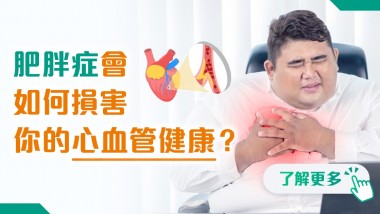 How does obesity damage your cardiovascular health?
 What is obesity?Obesity is a chronic disease where excess body fat accumulates and harms health. It is assessed mainly by BMI (weight in kg ÷ height in m²) and waist circumference. BMI Categories Normal: 18.5–22.9 kg/m² Overweight: 23–24.9 kg/m² Obesity Class I: 25–29.9 kg/m² Obesity Class II: ≥30 kg/m² Severe/Morbid: ≥35/40 kg/m² Waist Circumference (Abdominal Obesity) Men: ≥90 cm Women: ≥80 cm How Obesity Gradually Damages the Cardiovascular System Artery hardening and narrowing: Excess "bad" cholesterol adheres to vessel walls, forming fatty plaques that reduce elasticity. Sustained high blood pressure: Increased weight forces the heart to pump harder, leading to chronic hypertension. Lipid imbalance: Abdominal fat affects the liver, decreasing "good" cholesterol and raising "bad" cholesterol. Inflammatory response: Fat tissue releases harmful substances, causing ongoing vascular inflammation and accelerated aging. Effective Management of Obesity-Related Cardiovascular Issues Lifestyle Changes (Core Treatment):Losing 5–10% body weight reduces inflammation by 20% and improves vessel elasticity. Regular Exercise: Aerobic: Brisk walking 30–45 minutes daily. Resistance training: 2–3 sessions weekly. Diet Principles: Adopt a Mediterranean-style diet. Increase Omega-3 sources like salmon, flaxseeds, and walnuts. Limit salt to <6g daily. Reduce saturated and trans fats. Monitoring and Interventions:Regularly check blood pressure, lipids, and glucose. Severe cases may consider bariatric surgery like gastric sleeve or bypass. Obesity severely impacts cardiovascular health. If weight rises steadily or symptoms appear, seek medical evaluation promptly for early control and complication prevention.
2025.12.17 The relationship between obesity and fatty liver
 What is fatty liver disease?Fatty liver disease occurs when excess fat accumulates in the liver. It is especially common among people who are overweight or obese, as abdominal fat can directly affect liver health. Why does obesity easily cause fatty liver? Abdominal fat directly affects the liver: Visceral fat around the abdomen releases a large amount of free fatty acids that flow directly to the liver, turning liver cells into “fat storage units.” Disrupted blood sugar and lipid levels: Obesity often comes with high blood sugar and high cholesterol, forcing the liver to process excess sugar and fat, leading to overload. Inflammatory response: Fat tissue releases harmful substances that trigger chronic inflammation in the liver, accelerating liver damage. Vicious cycle: Fatty liver impairs liver function, slows metabolism, and makes weight control even more difficult. What are the early warning signs of fatty liver? Common symptoms: Dull pain in the upper right abdomen, fatigue, and poor appetite. Physical signs: Itchy skin, yellowish eyes (mild jaundice), or mild liver swelling. Blood test findings: Mild to moderate elevation in liver enzymes. Severe warning signs: Abdominal fluid buildup, jaundice, or confusion — symptoms of advanced cirrhosis. What are the serious consequences of fatty liver? Non-alcoholic steatohepatitis (NASH): Inflammation leads to liver fibrosis and eventually cirrhosis. Liver cancer risk: Chronic inflammation increases the risk of liver cancer. Cardiovascular complications: Fatty liver often coexists with high blood pressure, high cholesterol, and heart disease. Hong Kong data: Up to 40% of overweight adults have fatty liver, and 10–20% of these cases may progress to serious disease. How to effectively improve obesity-related fatty liver? Weight reduction: Losing 7–10% of body weight can lower liver fat by 30–50%. Diet adjustments: Eat a low-fat, low-sugar diet with plenty of vegetables, fruits, whole grains, lean meat, and fish. Include daily sources of Omega-3 (such as salmon and flaxseeds) to protect the liver. Avoid alcohol and sugary drinks like juice or soda. Exercise habits: Do at least 150 minutes of moderate-intensity aerobic exercise weekly (e.g., brisk walking, swimming). Add muscle-strengthening exercises 2–3 times per week to boost fat burning. Medical monitoring: Have regular liver ultrasounds. In serious cases, medication may be needed to protect liver cells. How to prevent obesity-related fatty liver? Waistline targets: Less than 90 cm for men and 80 cm for women to avoid visceral fat buildup. Annual check-up: Overweight adults over 30 should have yearly liver enzyme tests and liver ultrasounds. Healthy lifestyle: Walk at least 30 minutes daily; sit less and move more. Maintain a balanced diet and adequate sleep. Manage stress, as high cortisol levels can harm the liver. Obesity can seriously damage liver health, leading to fatty liver and even cirrhosis. If you feel discomfort in the right abdomen or persistent fatigue, seek medical advice early for proper evaluation. Losing weight in time is key to preventing severe liver complications.
2025.12.17 What is the relationship between obesity and diabetes?
 Type 2 diabetes is the most common complication of obesity, affecting about 80% of overweight patients. Excess abdominal fat impairs insulin function, causing insulin resistance and chronically high blood sugar that overworks the pancreas, leading to eventual failure. Effective Diabetes Risk Management Weight loss: Losing 7% of body weight reduces diabetes risk by 58%.Exercise recommendations: Combine 150 minutes of weekly aerobic exercise with strength training to improve blood sugar control by 30%.Dietary adjustments: Choose brown rice, beans, and vegetables; limit white rice and sweets to stabilize blood sugar.Medications: Metformin improves glucose levels; GLP-1 agonists aid weight loss and sugar control.Regular check-ups: Keep HbA1c below 7%; annual urine and eye exams. Prevention Measures Maintain BMI under 23. Limit daily sugar to under 25g; consume over 25g fiber from vegetables. Adults over 40: Annual blood sugar tests. Obesity significantly raises diabetes risk. If weight keeps rising or symptoms appear, seek medical checks promptly for early control and complication prevention.
2025.12.17