
Education Corner
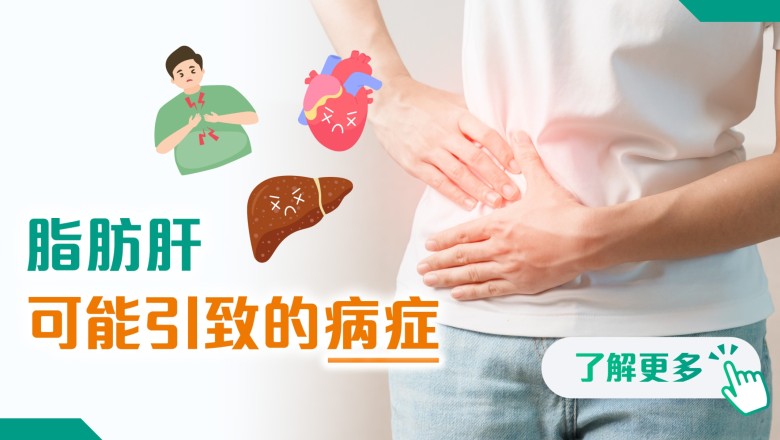
Fatty liver is often referred to as a "silent killer" because it typically presents no obvious symptoms in its early stages. However, if liver cells are left continuously soaked in fat, the resulting chain reaction affects far more than just the liver itself; like a row of falling dominoes, it can trigger diseases across multiple systems throughout the entire body.
What liver-related diseases can fatty liver cause?
When too much fat accumulates in the liver, the liver cells themselves are the most direct victims. The condition can progressively worsen along the following trajectory:
- Non-Alcoholic Steatohepatitis (NASH): Long-term fat accumulation triggers oxidative stress, leading to inflammation and the death of liver cells.
-
Liver Fibrosis: As the liver repeatedly inflames and attempts to heal itself, it develops scar-like fibrous tissue. As these scars multiply, the liver begins to harden.
-
Liver Cirrhosis: Normal liver cells are replaced by large amounts of fibrous tissue, severely damaging liver function. At this stage, severe complications such as ascites (fluid in the abdomen), jaundice, and bleeding from esophageal varices can occur.
-
Liver Cancer: Patients with liver cirrhosis are at high risk for liver cancer. However, medical research has found that some fatty liver patients can develop liver cancer directly, even skipping the cirrhosis stage entirely.
What is the link between fatty liver and cardiovascular disease?
Many people assume that liver cancer is the leading cause of death for fatty liver patients, but clinical data shows that the most common cause of death is actually cardiovascular disease.
-
Atherosclerosis and Stroke: Fatty liver reflects a systemic disorder of lipid metabolism. The liver produces too much low-density lipoprotein (LDL, or "bad" cholesterol) and triglycerides. These fats accumulate on blood vessel walls to form plaques, causing the vessels to narrow and harden. This drastically increases the risk of myocardial infarction (heart attack) and stroke.
What systemic or metabolic diseases can fatty liver trigger?
The liver is the body's largest metabolic center; if it falls ill, the body's entire metabolic network can collapse:
-
Type 2 Diabetes: Fatty liver and "insulin resistance" act as both cause and effect for one another. A liver packed with fat makes the body even less sensitive to insulin, forcing the pancreas to produce more of it. Eventually, the pancreas becomes overwhelmed, developing into irreversible diabetes.
-
Chronic Kidney Disease (CKD): The systemic inflammation and vascular damage triggered by fatty liver can slowly destroy the microvessels in the kidneys. This impairs their ability to filter waste, raising the probability of chronic kidney failure.
-
Sleep Apnea: Clinically, a very high percentage of patients with moderate-to-severe fatty liver also suffer from obstructive sleep apnea. This further worsens body hypoxia (oxygen deprivation) and exacerbates fatty liver, creating a vicious cycle.
Because fatty liver is "painless and itchless" at the beginning, it is easy to overlook this distress signal from our bodies. More often than not, people are shocked to discover they have a fatty liver only during an annual physical examination, an ultrasound scan, or a blood test. If you would like to understand your liver health status, feel free to contact us for a consultation.